


Are We Really Deciding?
Are We Really Deciding?
Are We Really Deciding?
Design is driven by hundreds of decisions across every project, yet the quality of those decisions is rarely examined. The focus lands on the output, not the thinking behind it.
This project sits at an intersection of cognitive bias in design, asking whether designers’ decisions are truly their own. The answer became a system for examining how we think, not just what we make.
A system design project exploring our college stationery store ecosystem and the complex, interconnected systems behind its seemingly simple experience.
This project began as an intensive field study, identifying intervention points to improve the system’s flow for users and staff.
timeline
timeline
5 months / 2026
discipline
discipline
Design Research
Interaction Research
Behavioral Design
tools
tools
Figma
Miro
Cursor
skills
skills
Game Design
Framework Development
Design Strategy
discipline
Design Research
Interaction Research
Behavioral Design
timeline
5 months / 2026
tools
Figma
Miro
Cursor
skills
Game Design
Framework Design
Design Strategy




hover & select the stage
you would like to see
tl;dr
tl;dr
tl;dr
Retrospecting design decisions before implementation
Retrospection before implementation
We think we design rationally, but most of our decisions are already shaped before we even realise we are deciding. But, most people can't explain their decisions as well as they think they can, because the decision was shaped & influeneced even before we realize.
We think we design rationally, but most of our decisions are already shaped before we even realise we are deciding and we explain them less well than we think.
We think we design rationally, but most of our decisions are already shaped before we even realise we are deciding. But, most people can't explain their decisions as well as they think they can, because the decision was shaped & influeneced even before we realize.
problem
the project
A system that makes the thinking behind design decisions: MAP for micro decisions, Decision Sprint for a whole project and a website to hold it together. The sprint has 950+ views on Miroverse, and the game played by 30+ players.
A system that makes the thinking behind design decisions: MAP for micro decisions, Decision Sprint for a whole project and a website to hold it together. The sprint has 950+ views on Miroverse, and the game played by 30+ players.
solution
the decisions
I prioritized focusing on the thinking quality of designers. I grew the deliverable from one tool into a full system, because the brief needed both depth and breadth. And I tested as I went, quickly and alongside designers.
I prioritized focusing on the thinking quality of designers. I grew the deliverable from one tool into a full system, because the brief needed both depth and breadth. And I tested as I went, quickly and alongside designers.
impact
what I owned
Researched, designed and built solo: 12+ interviews, qualitative research, 42+ data points synthesised into findings, end-to-end framework thinking, a framework and two-day sprint developed, and a website built to host it.
Researched, designed and built solo: 12+ interviews, qualitative research, 42+ data points synthesised into findings, end-to-end framework thinking, a framework and two-day sprint developed, and a website built to host it.
problem
Influence of external factors over design decisions without concious awareness, which ultimately impacts the quality of work delivered
solution
A system that is asking you to challenge and retrospect your thinking before implementing the decisions made along the way
impact
Shifting the focus from output quality to thinking quality, making the reasoning behind design decisions more visible and intentional
04
Defend / Dump Game
04
Defend / Dump Game
click to view any
that interests you :)
context
context
context
Thinking quality > Output quality
Thinking quality > Output quality
Every decision emerges from a quality of thinking.
Every decision emerges from a quality of thinking.
Every decision emerges from a quality of thinking.
In creative workflows, our thinking is rarely neutral. Assumptions, pressure, familiarity, emotional attachment, and validation quietly shape how we evaluate ideas, define concepts, and move toward decisions, often before we realize it.
In creative workflows, our thinking is rarely neutral. Assumptions, pressure, familiarity, emotional attachment, and validation quietly shape how we evaluate ideas, define concepts, and move toward decisions, often before we realize it.
The problem isn’t decision-making itself, but unseen influences shaping it. If the thinking is skewed, the output seen will be too, no matter how polished it looks in the end.
The problem isn’t decision-making itself, but unseen influences shaping it. If the thinking is skewed, the output seen will be too, no matter how polished it looks in the end.
problem
problem
problem
Our decisions are shaped before we notice
Our decisions are shaped before we notice
Cognitive biases shape decisions in ways designers rarely see or examine, with no clear way to address them. The process began to feel like Chinese whispers, where unseen influences distort ideas and good ones get lost.
Cognitive biases shape decisions in ways designers rarely see or examine, with no clear way to address them. The process began to feel like Chinese whispers, where unseen influences distort ideas and good ones get lost.
direct impact on quality of output
domino effect of decisions
authenticity of your decision
research
research
research

I studied frameworks as my first step
I studied frameworks as my first step
Naturally, the initial desk research began by understanding frameworks as both a concept and a tool within design and decision-making.
Naturally, the initial desk research began by understanding frameworks as both a concept and a tool within design and decision-making.
Two buckets proved most useful, the stage of use, and the insights each framework offered for this project.
Two buckets proved most useful, the stage of use, and the insights each framework offered for this project.
20
frameworks studied
10
made it to the table
04
proved to be useful
20
frameworks studied
10
made it to the table
04
proved to be useful
Where do designers really get stuck?
The research now moved to the people living the problem. Open-ended interviews explored how they navigate their process, where they get stuck, how do they respond to it.
The research now moved to the people living the problem. Open-ended interviews explored how they navigate their process, where they get stuck, how do they respond to it.
target audience
target audience
Design Students
Design Students
Creative Professionals
Creative Professionals
interview count
interview count
08 design students
08 design students
04 creative professionals
04 creative professionals
timeline
timeline
Round 1: January 2026
Round 1: January 2026
Round 2: February 2026
Round 2: February 2026
questionnaire
questionnaire
12 questions in set A
12 questions in set A
06 questions in set B
06 questions in set B
target audience
Design Students
Design Seniors
interview count
08 design students
04 design seniors
timeline
Round 1: Jan 2026
Round 2: Feb 2026
questionnaire
12 questions in set A
06 questions in set B
tl;dr
tl;dr
tl;dr
Spread out the data to make sense of it
Design is driven by hundreds of decisions across every project, yet the quality of those decisions is rarely examined. The focus lands on the output, not the thinking behind it.
This project sits at an intersection of cognitive bias in design, asking whether designers’ decisions are truly their own. The answer became a system for examining how we think, not just what we make.

Design is driven by hundreds of decisions across every project, yet the quality of those decisions is rarely examined. The focus lands on the output, not the thinking behind it.
This project sits at an intersection of cognitive bias in design, asking whether designers’ decisions are truly their own. The answer became a system for examining how we think, not just what we make.
funnel research
funnel research
funnel research
Took a survey, read research papers, heard the user
Took a survey, read research papers, heard the user
To sharpen the direction, primary research returned to designers with a sharper lens. A survey gathered perspectives from a direct but more diverse pool of designers, helping define the problem more precisely.
To sharpen the direction, primary research returned to designers with a sharper lens. A survey gathered perspectives from a direct but more diverse pool of designers, helping define the problem more precisely.
To sharpen the direction, primary research returned to designers with a sharper lens. A survey gathered perspectives from a direct but more diverse pool of designers, helping define the problem more precisely.
down to the
T everything mentioned!
down to the
T everything mentioned!
synthesis
synthesis
synthesis
Charted patterns which led to opportunity areas
Charted patterns which led to opportunity areas
Bringing in a huge pool of data into 3 key top findings, reading
carefully to make sure to not dilute the richness of data collected,
whilst deriving to a logical pathway to build the project further.
Bringing in a huge pool of data into 3 key top findings, reading
carefully to make sure to not dilute the richness of data collected,
whilst deriving to a logical pathway to build the project further.
Bringing in a huge pool of data into 3 key top findings, reading carefully to make sure to not dilute the richness of data collected, while making sure in deriving to a logical pathway to build the project further.
Top Findings How Might We? Opportunity Areas
Top Findings How Might We? Opportunity Areas

of designers have
admitted external factors to
end up shape the decisions
72%
of designers said
they can identify well when
are in the middle of a loop
62%
of designers have
experienced their concepts
shifting along their process
55%

“
Help designers recognize cognitive bias as it happens during the process?
01 / how might we?
“
Make hidden thinking patterns visible, encourage self reflection & perspective?
02 / how might we?
“
Reconnect designers to their original intent when they've drifted?
03 / how might we?
“
Help designers recognize cognitive bias as it happens during the process?
01 / how might we?
“
Make hidden thinking patterns visible, encourage self reflection & perspective?
02 / how might we?
“
Reconnect designers to their original intent when they've drifted?
03 / how might we?
“
Help designers recognize cognitive bias as it happens during the process?
01 / how might we?
“
Make hidden thinking patterns visible, encourage self reflection & perspective?
02 / how might we?
“
Reconnect designers to their original intent when they've drifted?
03 / how might we?
“
Help designers recognize cognitive bias as it happens during the process?
01 / how might we?
“
Make hidden thinking patterns visible, encourage self reflection & perspective?
02 / how might we?
“
Reconnect designers to their original intent when they've drifted?
03 / how might we?
invisible to visible
Help enable designers to uncover
what is shaping their decisions.
awareness layer
Help enable designers to uncover what is shaping their decisions.
retrospect the decision
Shift from defending drifts and
decisions to examining them.
invisible to visible
Help enable designers to uncover
what is shaping their decisions.
awareness layer
Help enable designers to uncover what is shaping their decisions.
retrospect the decision
Shift from defending drifts and
decisions to examining them.
invisible to visible
Help enable designers to uncover
what is shaping their decisions.
awareness layer
Help enable designers to uncover what is shaping their decisions.
retrospect the decision
Shift from defending drifts and
decisions to examining them.
invisible to visible
Help enable designers to uncover
what is shaping their decisions.
awareness layer
Help enable designers to uncover what is shaping their decisions.
retrospect the decision
Shift from defending drifts and
decisions to examining them.
Top Findings
72%
of designers have admitted external factors to end up shape their decisions
62%
of designers said they can identify well when are in the middle of a loop
55%
of designers have experienced their concepts shifting along their process
Opportunity Areas
invisible to visible
Help enable designers to uncover from whats shaping their decisions
awareness layer
Create moments to step out of overwhelming work cycles.
retrospect the decision
Shift from defending drifts to examining and questioning them
How Might We?
“
Help designers recognize their bias as it happens during the process?
01 / how might we?
“
Make hidden thinking patterns visible, encourage self reflection?
02 / how might we?
“
Reconnect designers to their original intent when they've drifted?
03 / how might we?
tl;dr
tl;dr
tl;dr
Thinking about the quality of thinking; metacognition
Thinking about the quality of thinking; metacognition
Bias, assumptions and external influences can quietly compound from one stage to the next, while simply recognising the problem rarely helps designers break the pattern.
The project needed to intervene at a stage of creating an retrospection layer within the process that makes influences visible, catches drift, and turns questioning your own thinking into part of good design practice.
Bias, assumptions and external influences can quietly compound from one stage to the next, while simply recognising the problem rarely helps designers break the pattern.
The project needed to intervene at a stage of creating an retrospection layer within the process that makes influences visible, catches drift, and turns questioning your own thinking into part of good design practice.
defining archetypes
defining archetypes
Meet the patterns identified
Four ways of deciding, not four designers
Meet the patterns identified
The data showed recurring patterns, but patterns are easier to understand when they have a face. The recurring behaviours, tensions and influences across the conversations were clustered into four archetypes, not four types of designers, but four identified ways designers can find themselves making decisions.
The data showed recurring patterns, but patterns are easier to understand when they have a face. The recurring behaviours, tensions and influences across the conversations were clustered into four archetypes, not four types of designers, but four identified ways designers can find themselves making decisions.
clustering users voices
recurring behaviors and patterns
framework thinking
framework thinking
framework thinking
Learnt framework thinking to put the pieces together
Learnt framework thinking to put the pieces together
“
“
Help me have something I can practice by myself, without external validation or dependencies
Help me have something I can practice by myself, without external validation or dependencies
Product Designer / Student
Product Designer / Student
“
“
A simple nudge, not too overwhelming, easy to understand and challenges my decision, in every stage
A simple nudge, not overwhelming, easy to understand and challenges my decision, in every stage
UX Designer / Professional
UX Designer / Professional
Until this stage, the research had named the problem; the next step was to give it shape and build a solution to solve it.
Until this stage, the research had named the problem; the next step was to give it shape and build a solution to solve it.
The aim was to create something within the design process that structures what is known, assumed, and missing, an attempt at creating moments of examined thinking at the point of decision making.
The aim was to create something within the design process that structures what is known, assumed, and missing, an attempt at creating moments of examined thinking at the point of decision making.
This is when framework thinking stepped in.
This is when framework thinking stepped in.
domino effect of decisions
authenticity of your decision
chinese whisper, but of your ideas!
direct impact on quality of output
MAP Framework
MAP Framework
MAP Framework
I built MAP to work mid-process, not after
I built MAP to work mid-process, not after

M
M
map your
decisions
map your
decisions
A
A
access your
thinking
access your
thinking
P
P
position
your intent
position
your intent
A mid-process, stage-agnostic framework that helps designers pause, examine, and make the thinking behind their decisions visible before they settle.
A mid-process, stage-agnostic framework that helps designers pause, examine, and make the thinking behind their decisions visible before they settle.
Rather than looking back, the framework works within the process, breaking down decisions, surfacing assumptions, questioning the thinking behind them.
Rather than looking back, the framework works within the process, breaking down decisions, surfacing assumptions, questioning the thinking behind them.
the what
A framework that helps designers examine decisions in the moment. Through Map, Assess, Position, it creates a structured pause to surface influences and check alignment with project intent.
the what
A framework that helps designers examine decisions in the moment. Through Map, Assess, Position, it creates a structured pause to surface influences and check alignment with project intent.
the what
A framework that helps designers examine decisions when in the moment. Through Map, Assess, and Position, it creates a structured pause to surface influences and to check alignment with project intent.
the what
A framework that helps designers examine decisions in the moment. Through Map, Assess, Position, it creates a structured pause to surface influences and check alignment with project intent.
the what
A framework that helps designers examine decisions in the moment. Through Map, Assess, Position, it creates a structured pause to surface influences and check alignment with project intent.
the why
MAP addresses the gap between process and decision-making, where bias can quietly take over. It makes the thinking behind a decision visible before it shapes what comes next.
the why
MAP addresses the gap between process and decision-making, where bias can quietly take over. It makes the thinking behind a decision visible before it shapes what comes next, solely with the idea of retrospecting your decisions.
the why
MAP addresses the gap between process and decision-making, where bias can quietly take over. It makes the thinking behind a decision visible before it shapes what comes next.
the why
MAP addresses the gap between process and decision-making, where bias can quietly take over. It makes the thinking behind a decision visible before it shapes what comes next.
the why
MAP addresses the gap between process and decision-making, where bias can quietly take over. It makes the thinking behind a decision visible before it shapes what comes next.
01

Map Your Decision
02

Access Your Thinking
03

Position Your Intent
01
Map Your Decision
02
Access Your Thinking
03
Position Your Intent
01
Map Your Decision
02
Access Your Thinking
03
Position Your Intent
01
Map Your Decision
02
Access Your Thinking
03
Position Your Intent
01
Map Your Decision
02
Access Your Thinking
03
Position Your Intent
tl;dr
major pivot
tl;dr
Necessary friction was created
Necessary friction was created
The matrix created meaningful friction. Designers paused, reconsidered, and sometimes changed direction, making hidden biases visible and broadening perspectives.
The matrix created meaningful friction. Designers paused, looked into it, reconsidered, and sometimes changed direction, making common but hidden biases visible and broadening perspectives.
But, MAP was too narrow, so I zoomed out
But, MAP was too narrow, so I zoomed out
MAP is a micro lens for individual decisions. Larger, more complex decisions require a broader, macro-level view across the project.
MAP is a micro lens for individual decisions. Larger, more complex decisions require a broader, macro-level view across the project. Where a high stakes decision is being tested and checked.
The matrix created meaningful friction. Designers paused, reconsidered, and sometimes changed direction, making hidden biases visible and broadening perspectives.
What worked with the user
MAP is a micro lens for individual decisions. Larger, more complex decisions require a broader, macro-level view across the project.
What pushed me further
core concept
core concept
core concept
Decision Sprint; a project-level lens
Decision Sprint; a project-level lens

MAP helped with indiviual decisions, but what happens when we want to examine a whole set of decisions across a project?
MAP helped with individual decisions, but what happens when we want to examine a whole set of decisions across a project?
MAP helped with indiviual decisions, but what happens when we want to examine a whole set of decisions across a project?
Here's Decision Sprint for it. A two day workshop format, that brings designer's decision landscape into one structured space, helping teams examine what is shaping their direction before committing to it.
Here's Decision Sprint for it. A two day workshop format, that brings designer's decision landscape into one structured space, helping teams examine what is shaping their direction before committing to it.
Here's Decision Sprint for it. A two day workshop format, that brings designer's decision landscape into one structured space, helping teams examine what is shaping their direction before committing to it.
800+
800+
views on Miroverse
views on Miroverse
15+
15+
user interactions
user interactions
10+
10+
likes on template :)
likes on template :)
950+
views on Miroverse
15+
user interactions
10+
likes on template :)


sprint format
sprint format
2 days duration
2 days duration
Online + Offline mode
Online + Offline mode
target auidence
target auidence
Design Teams
Design Teams
Innovation Projects
Innovation Projects
Startup Teams
Startup Teams
scale of impact
scale of impact
Project level
Project level
aim to achieve
aim to achieve
Examine what is shapes the decision before freezing it
Examine what is shapes the decision before freezing it
sprint format
2 days duration
Online + Offline mode
target auidence
Design Teams
Innovation Projects
Startup Teams
impact scale
Project level
aim to achieve
Examine what is shapes the decision before freezing it
breaking it down
breaking it down
breaking it down
Set of deliberate interventions for your decision
Set of deliberate interventions for your decision
Each activity is designed with a thought, a structure and a stage where it will challenged your thinking through multiple perspectives.
Each activity is designed with a thought, a structure and a stage where it will challenged your thinking through multiple perspectives.
Each activity is designed with a thought, a structure and a stage where it will challenged your thinking through multiple perspectives.
Before deep diving into each activity and how it benefits the user, here's a direct ROI or impacts on the user based on how the sprint is shaped, planned and executed.
Before deep diving into each activity and how it benefits the user, here's a direct ROI or impacts on the user based on how the sprint is shaped, planned and executed.
01
01
A decision you actually know
A decision you actually know
A decision you actually know
Not just one that felt right, but one you’ve examined and challenged.
Not just one that felt right, but one you’ve examined and challenged.
02
02
Insight into your thinking
Insight into your thinking
Insight into your thinking
See the influences, assumptions, and biases behind your decision.
See the influences, assumptions, and biases behind your decision.
03
03
Conscious intent ahead
Conscious intent work forward
Conscious intent ahead
Know where you are and why you’re moving forward.
Know where you are and why you’re moving forward.
intent behind the sprint?
look below ↓
every task given is intentional, play it honestly
intent behind the sprint?
look below ↓
every task given is intentional, play it honestly
Day 01
Day 01
Breakdown the Decision
Breakdown the Decision
First things first, take the decision apart before trying to improve
it. Start by establishing where the decision currently stands, then deliberately introduces friction to expose what is missing, what could fail, and what is actually working.
First things first, take the decision apart before trying to improve it. Start by establishing where the decision currently stands, then deliberately introduces friction to expose what is missing, what could fail, and what is actually working.
01
01
establish a baseline
establish
a baseline
02
02
creating
a friction
creating
a friction
03
03
examine
the thinking
examine
the thinking
Day 02
Day 02
Reposition the Decision
Reposition the Decision
Now, put the decision back together with a clearer vision ahead
of what’s shaping it. Start by uncovering the influences and assumptions behind it, then reconnect the decision to the need, problem, and intent it was meant to serve.
Now, put the decision back together with a clearer understanding
of what’s shaping it. Start by uncovering the influences and assumptions behind it, then reconnect the decision to the problem, need, and intent it was meant to serve.
01
understand the influences
02
challenge the
assumptions
03
reposition
the intent
Now, put the decision back together with a clearer vision ahead of what’s shaping it. Start by uncovering the influences and assumptions behind it, then reconnect the decision to the need, problem, and intent it was meant to serve.
01
understand
the influences
02
challenge the
assumptions
03
reposition
the intent
bias library
bias library
Tne biases, now your work characters
Tne biases, now your work characters



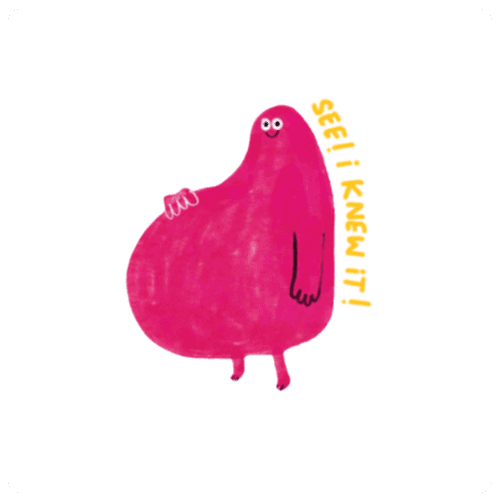


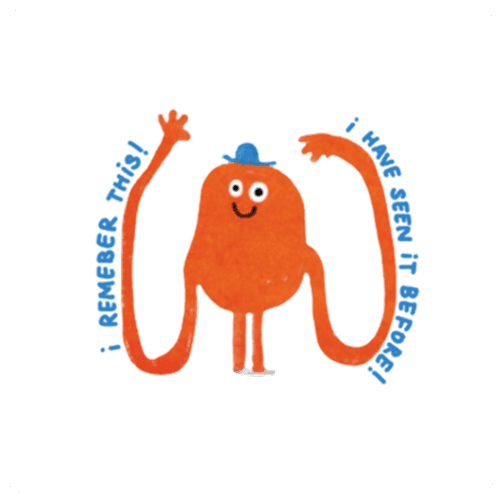
Cognitive biases can be difficult to understand when its abstract and intangible. So, the top 10 biases identified through the research were turned into characters, giving them a personality.
Cognitive biases can be difficult to understand when its abstract and intangible. So, the top 10 biases identified through the research were turned into characters, giving them a personality.
It makes bias easier to see, recognise, and understand, without them feeling intimidating.
It makes bias easier to see, recognise, and understand, without them feeling intimidating.
Same biases, now questioning you
Same biases, now questioning you
Same biases, now questioning you
The cards use uncomfortable, bias-led questions to push designers beyond their first instinct, helping them examine a decision through different biases and uncover what might be shaping their thinking.
The cards use uncomfortable, bias-led questions to push designers beyond their first instinct, helping them examine a decision through different biases and uncover what might be shaping their thinking.


behavioral game
behavioral game
Choose fast, Defend or Dump?
Choose fast, Defend or Dump?
Under pressure, deliberate thinking gives way to quicker, more instinctive choices, allowing underlying patterns to surface. This game intentionally creates that pressure, using fast paced stimulation and a ticking clock to reveal choices made without much conscious reasoning.
Under pressure, deliberate thinking gives way to quicker, more instinctive choices, allowing underlying patterns to surface. This game intentionally creates that pressure, using fast paced stimulation and a ticking clock to reveal choices made without much conscious reasoning.
The tower then holds those choices up as a visible pattern, making the player reflect on what their mind was drawn to.
The tower then holds those choices up as a visible pattern, making the player reflect on what their mind was drawn to.
vibe coded with Cursor + Figma Make
vibe coded with Cursor + Figma Make
played by
30+ users!
played by
30+ users!
cognitive bias website
cognitive bias website
Now, I built a website to give the system a home
Now, I built a website to give the system a home
Somewhere the tools could live beyond the project, remain accessible, and allow designers to explore and practise examining their decisions on their own.
Somewhere the tools could live beyond the project, remain accessible, and allow designers to explore and practise examining their decisions on their own.
01
01
Framework guide
Guide to framework
Framework guide
02
02
Play bias games
Play bias games
03
03
Visit character library
Visit character library
04
04
Long format blogs
Long format blogs
the impact
the impact
01
01
Questioning over defending
Questioning over defending
Creating a space to question what feels right before committing, retrospection before implementing.
Creating a space to question what feels right before committing, retrospection before implementing.
02
02
Know your decisions
Know your decisions
Strip back the noise to understand what is truly driving your decision and what it is built on at its core.
Strip back the noise to understand what is truly driving your decision and what it is built on at its core.
03
03
Output to thinking quality
Output to thinking quality
Move beyond judging what you make to examining the thinking and reasoning behind why you made it.
Move beyond judging what you make to examining the thinking and reasoning behind why you made it.
01
Stop defending, start questioning
Create space to challenge what feels right, question what is shaping the decision, and examine it before committing.
02
Knowing what is driving your decisions
Strip back the noise to understand what is truly driving your decision and what it is built on at its core.
03
Shifting from output to thinking quality
Move beyond judging what you make to examining the thinking and reasoning behind why you made it.
reflections
reflections
Bias is human; work with it, not against
Bias is human; work with them, not against
Bias is deeply rooted in how we think, feel, and respond as a human; the goal isn’t to eliminate it, but to recognise when it’s shaping our decisions.
Bias is deeply rooted in how we think, feel, and respond as a human; the goal isn’t to eliminate it, but to recognise when it’s shaping our decisions. Knowing what you are working with, rather than being blindsided to it.
Design thinking process is rarely linear
Behind every outcome is a layered process of judgement, emotion, influence, assumptions, and shifting decisions that deserves as much attention as the final output.
A system design project exploring our college stationery store ecosystem and the complex, interconnected systems behind its seemingly simple experience.
Bias is human; work with it, not against
This project began as an intensive field study, identifying intervention points to improve the system’s flow for users and staff.
Design thinking process is rarely linear
final jury!
final jury!

As we wrap up this case study, I wanted to take a moment to reflect on where this project came from for me. It started from a place that felt genuine, true to who I am as a designer, and to what I believe design should ask of its practitioners along design processes.
Truthfully, the subject of cognitive bias is not one that can be fully solved. Bias is human; it is persistent. This project stands not as a polished solution, but as a starting point, a set of tools built on the belief that retrospection is where change can begin.
As we wrap up this case study, I wanted to take a moment to reflect on where this project came from for me. It started from a place that felt genuine, true to who I am as a designer, and to what I believe design should ask of its practitioners along design processes.
Truthfully, the subject of cognitive bias is not one that can be fully solved. Bias is human; it is persistent. This project stands not as a polished solution, but as a starting point, a set of tools built on the belief that retrospection is where change can begin.


